
Do you feel a dull ache in your elbow? Does your knee become hot and swollen after gardening? The culprit might not be joint wear and tear, but bursitis.
What is bursitis?
Our bodies have small, fluid-filled sacs called bursae (from the Latin word bursa – pouch). They act as cushions between bones, tendons, and muscles, reducing friction during movement.
How does bursitis occur?
Bursitis occurs when this "sac" becomes inflamed. It swells, becomes sensitive, and every movement starts to cause discomfort.
Bursitis most commonly appears in:
- Shoulders: Common in swimmers or painters.
- Elbows: Also known as "student's elbow" (from prolonged leaning on a desk).
- Hips: More common in women or runners.
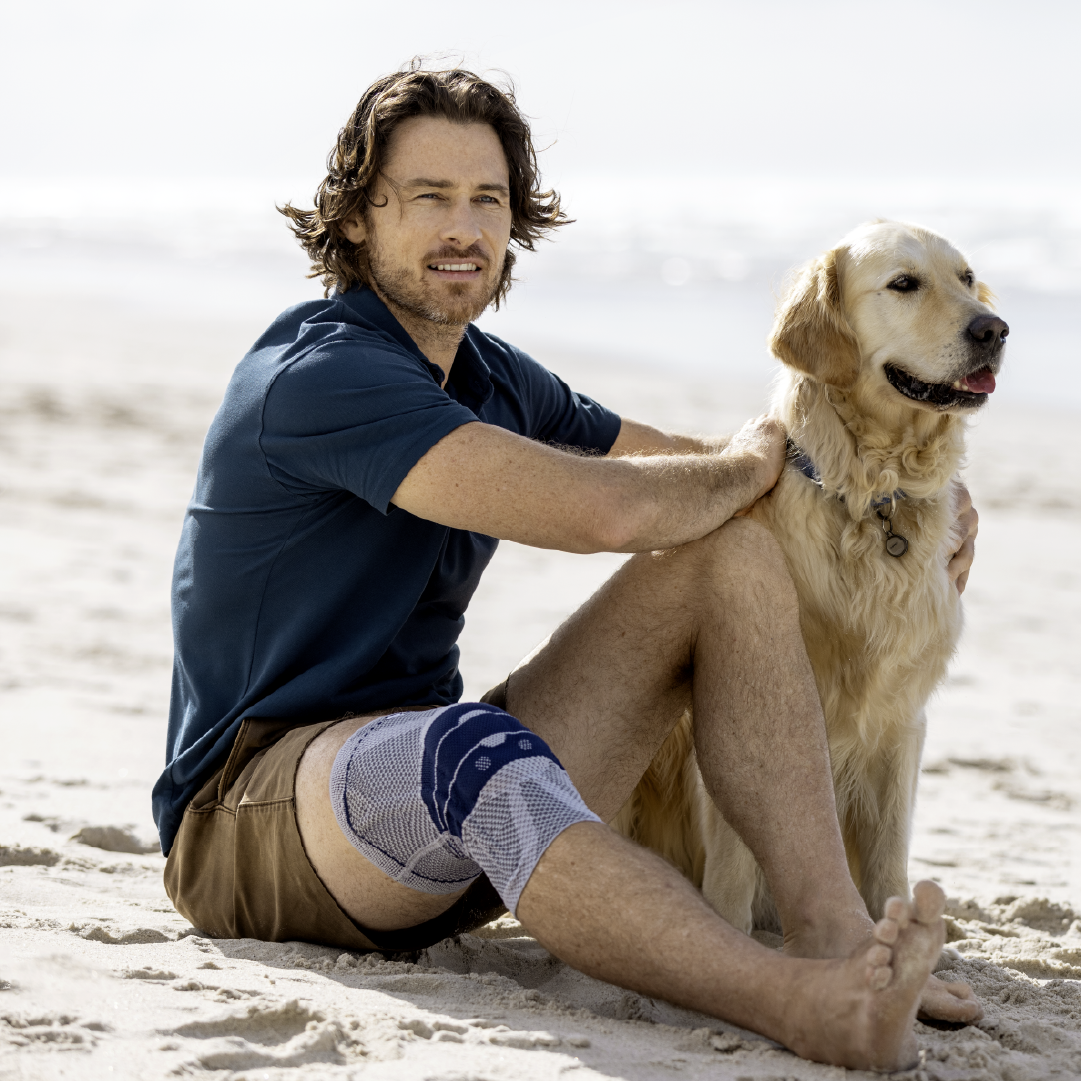
- Knees: "Housemaid's knee" – results from prolonged crawling or kneeling.
How to recognize bursitis? (Symptoms)
Bursitis is quite easy to distinguish from simple muscle pain. Pay attention to these signs:
- Pain and stiffness: The joint hurts when you move it or press on it.
- Swelling and redness: The inflamed area may look "puffy."
- Feeling of warmth: The skin over the joint feels warmer than elsewhere.
- Restricted movement: It becomes harder for you to fully straighten your arm or leg.
Important! If you have a fever or the joint is intensely hot and red, see a doctor immediately – this could indicate an infection (septic bursitis).
How does bursitis develop?
Bursitis is mostly the result of overuse. However, there are other causes:
- Repetitive movements: Throwing a ball, lifting weights, or even typing at a computer.
- Injuries: Falling on an elbow or knee.
- Other diseases: Gout or rheumatoid arthritis can contribute to fluid accumulation in the bursae.
- Age: As we age, our tendons become less elastic, putting more strain on the bursae.
First aid: R.I.C.E. method
If you feel bursitis starting to make itself known, remember a simple formula:
| Abbreviation | What to do? |
| R (Rest) | Rest. Stop the activity that caused the pain. |
| I (Ice) | Ice. Apply cold compresses (15-20 min) to reduce swelling. |
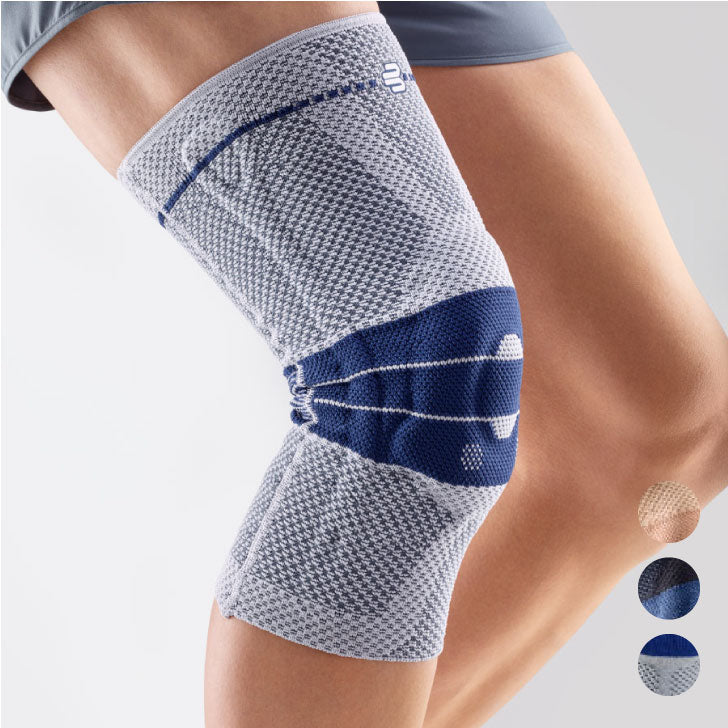
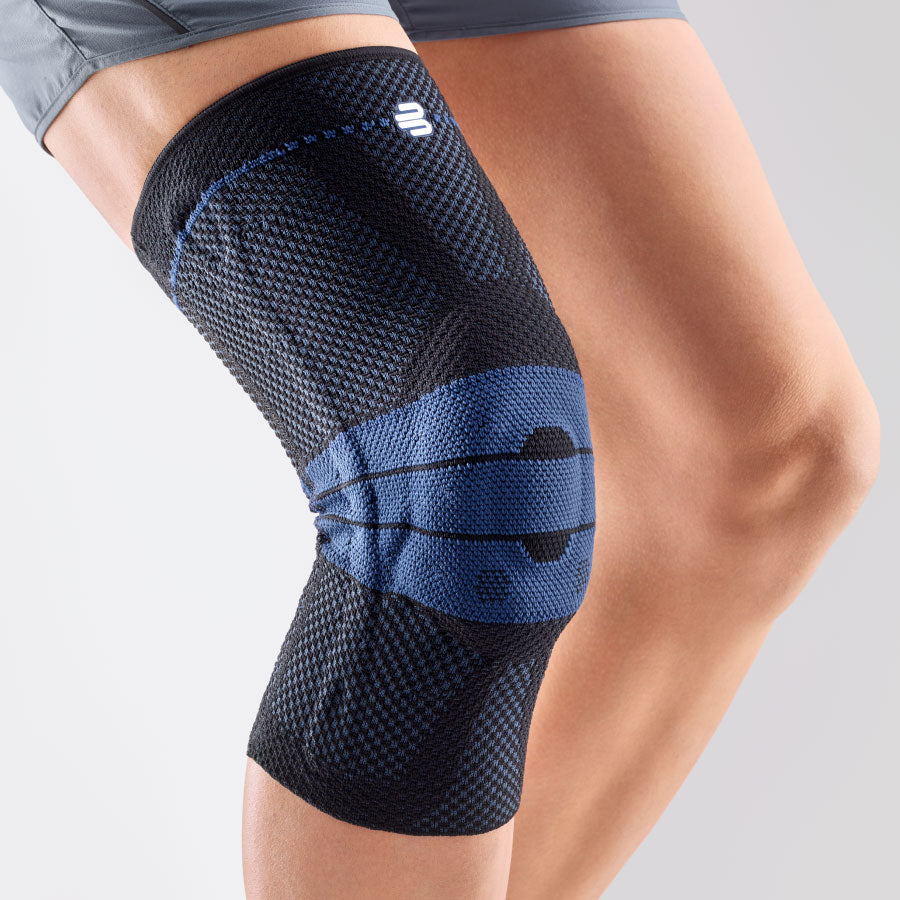
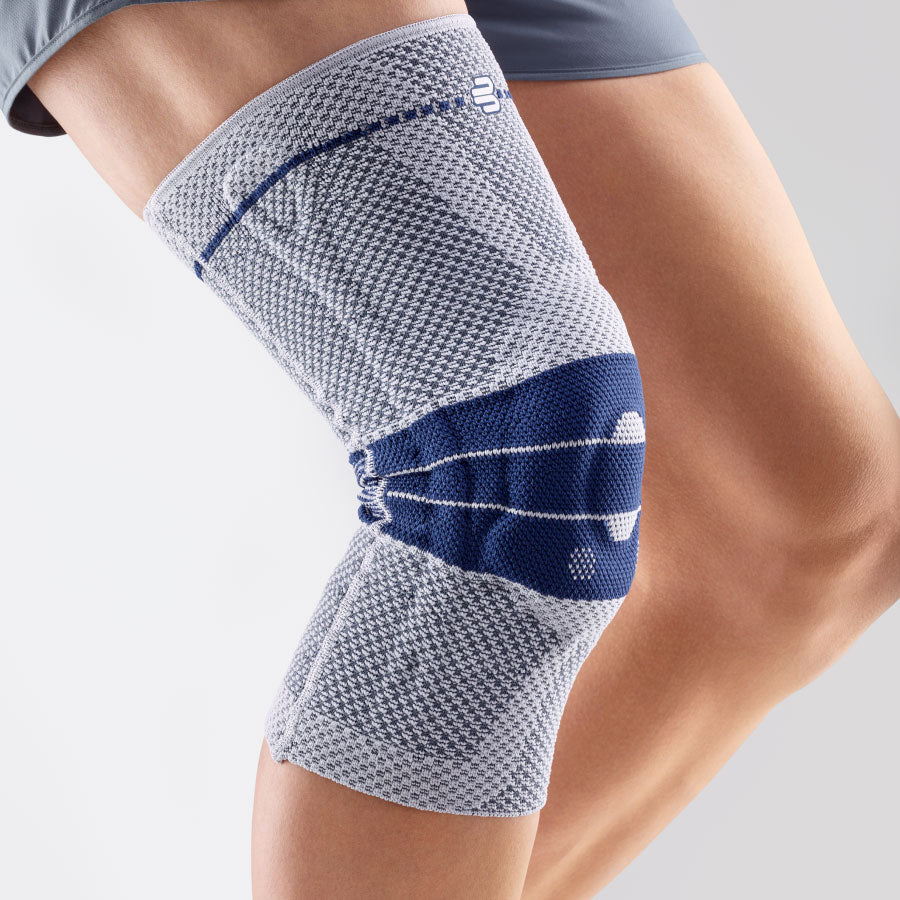
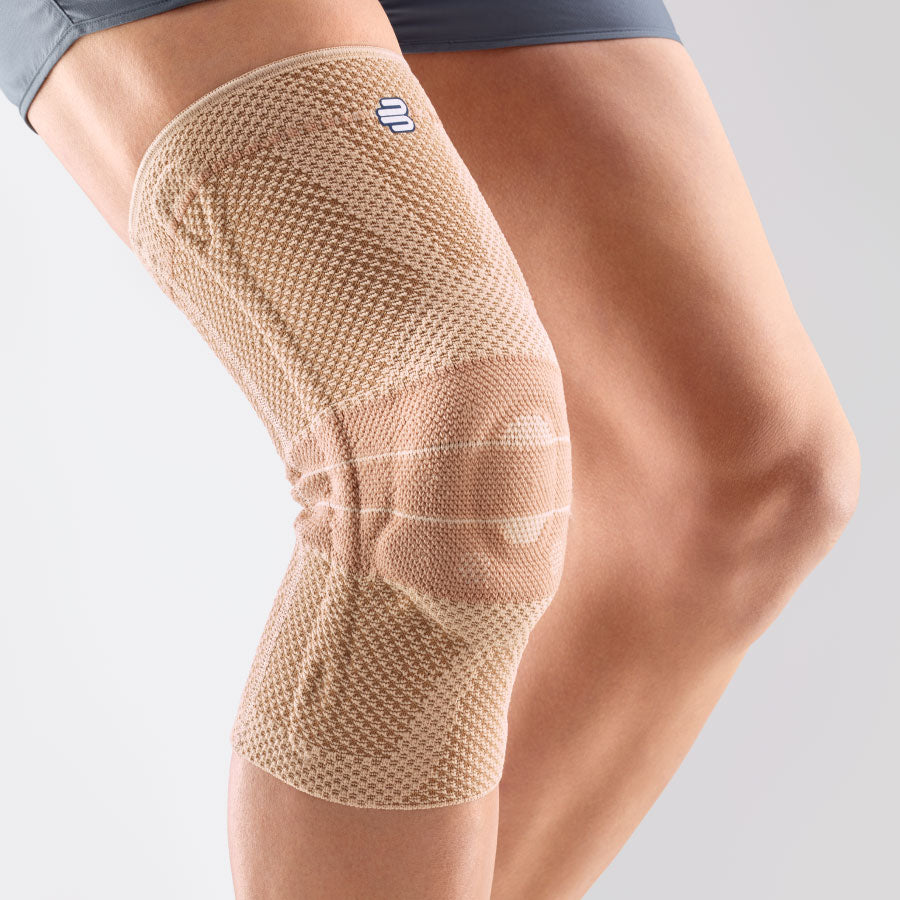
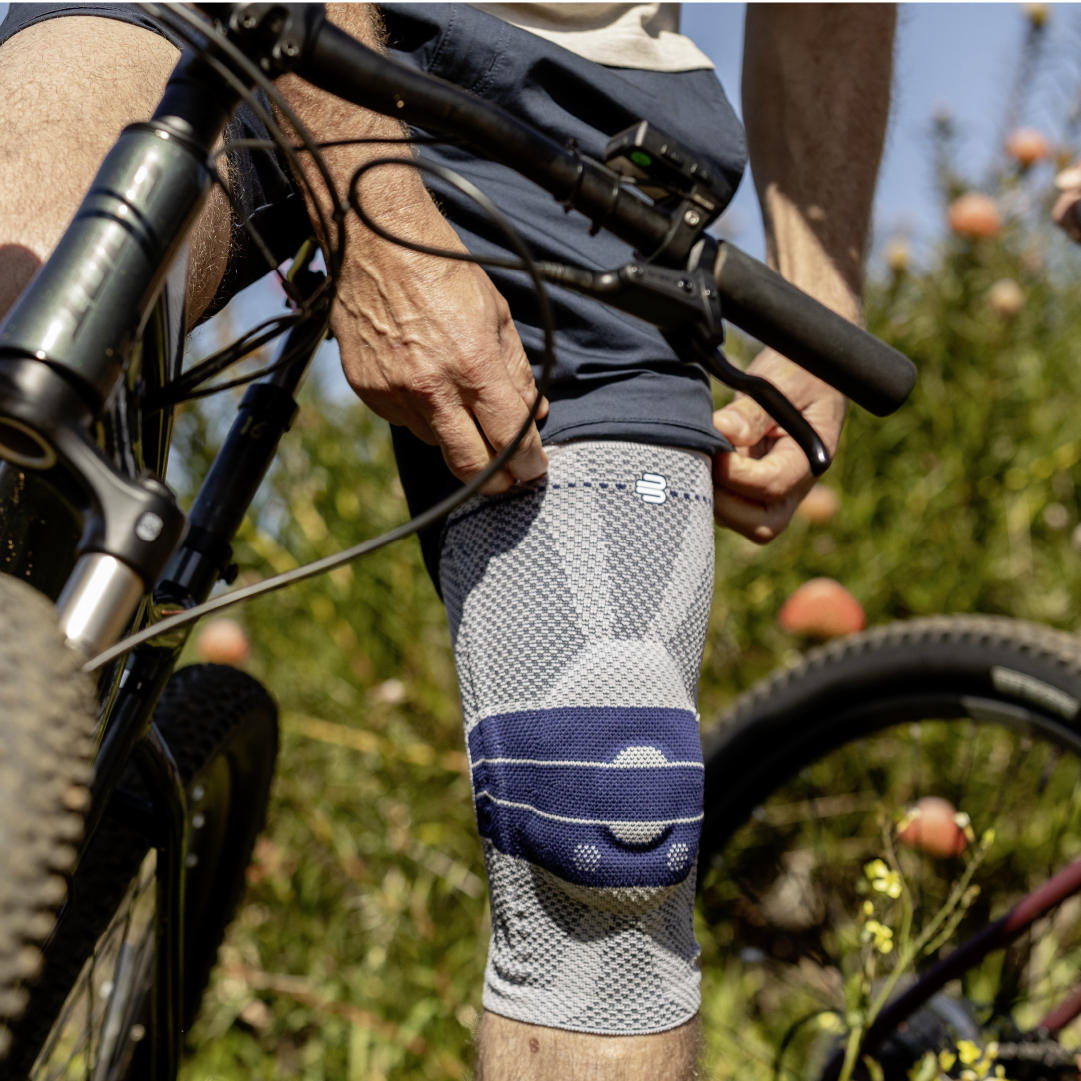
| C (Compression) | Compression. Use an elastic bandage to limit swelling. Sports compression |
| E (Elevation) | Elevation. If possible, keep the injured area above your heart. |
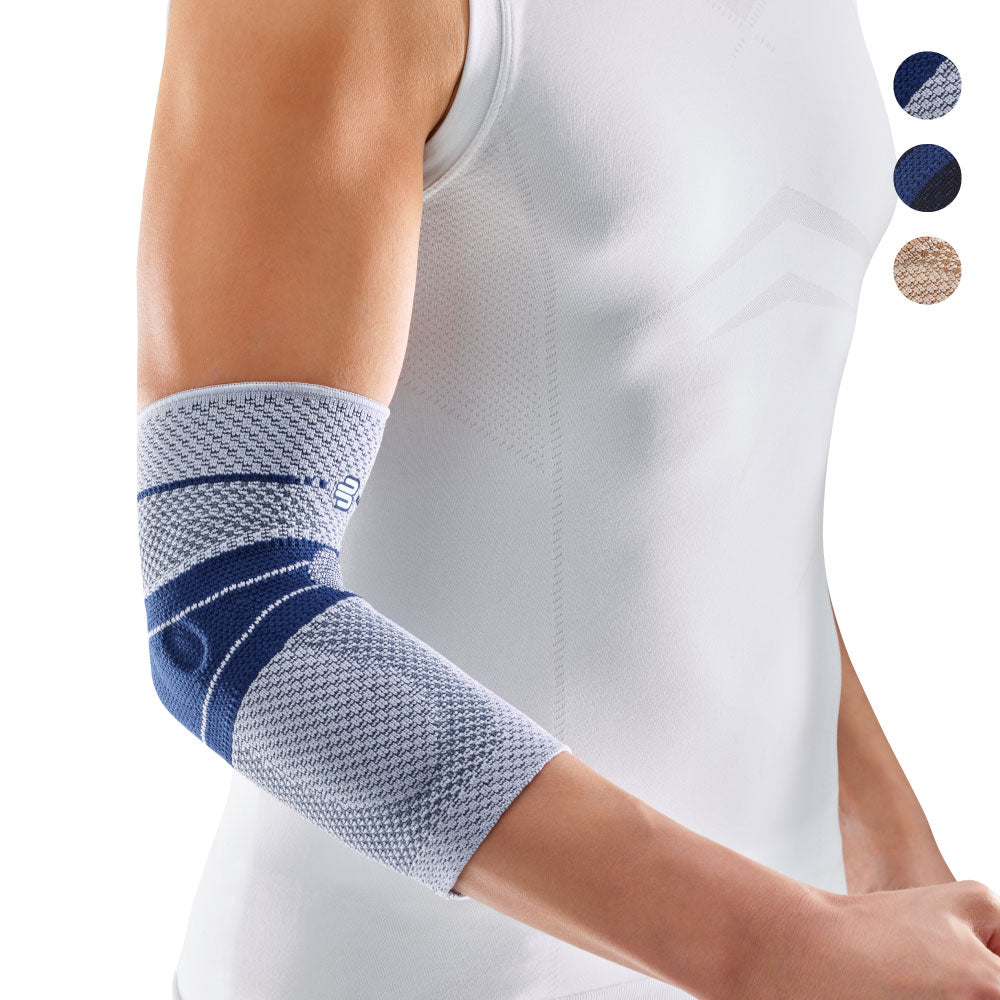
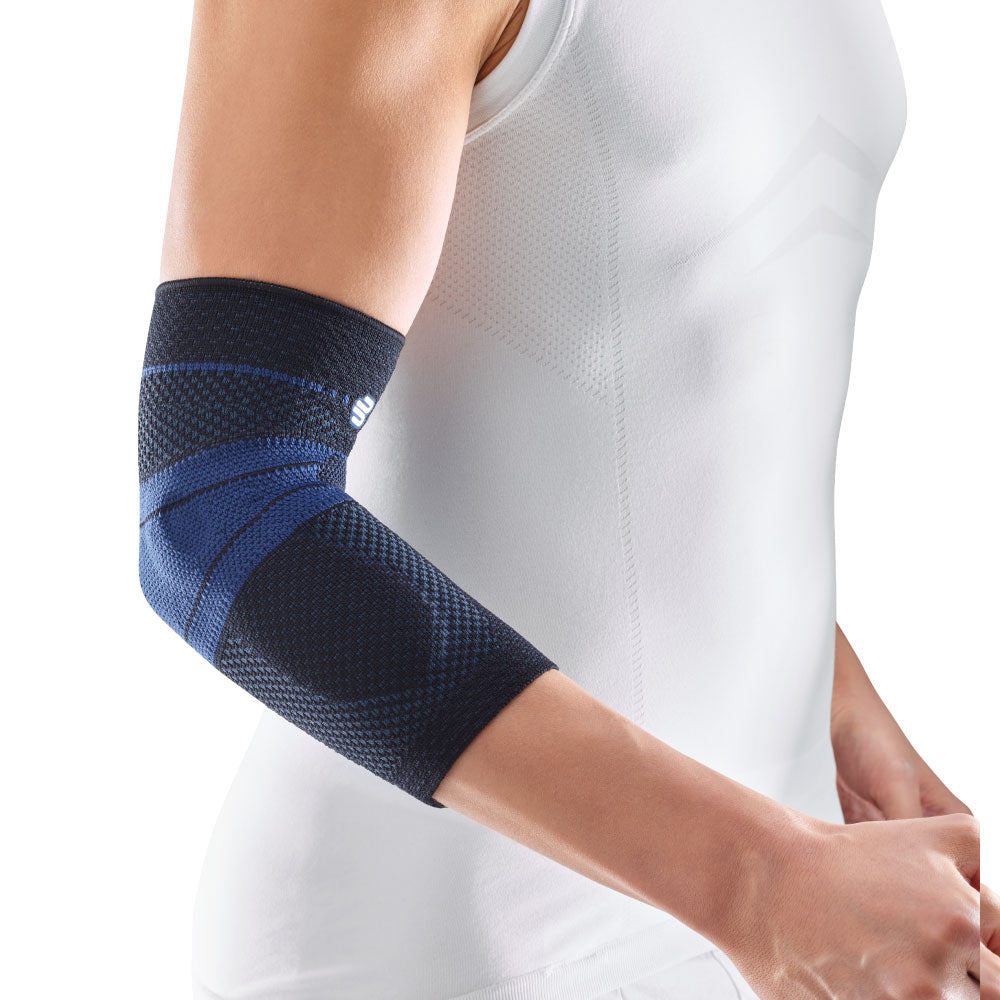
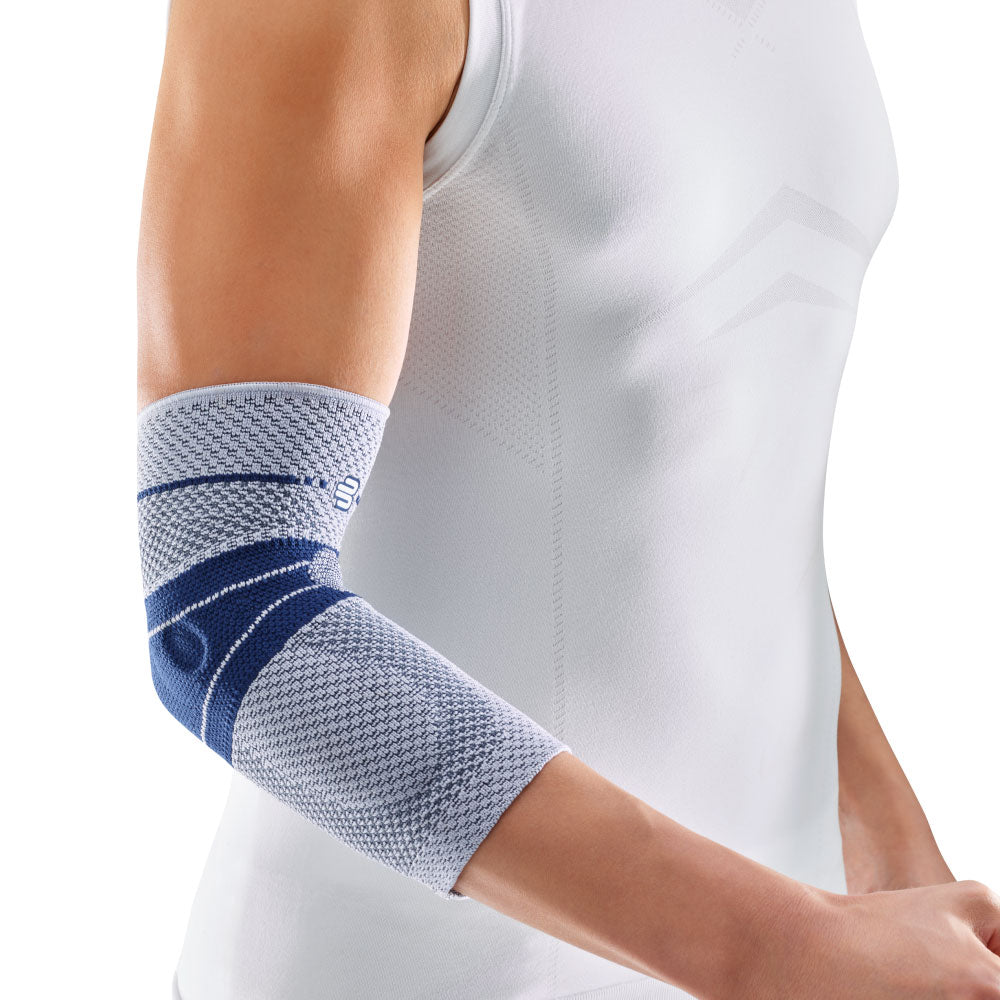
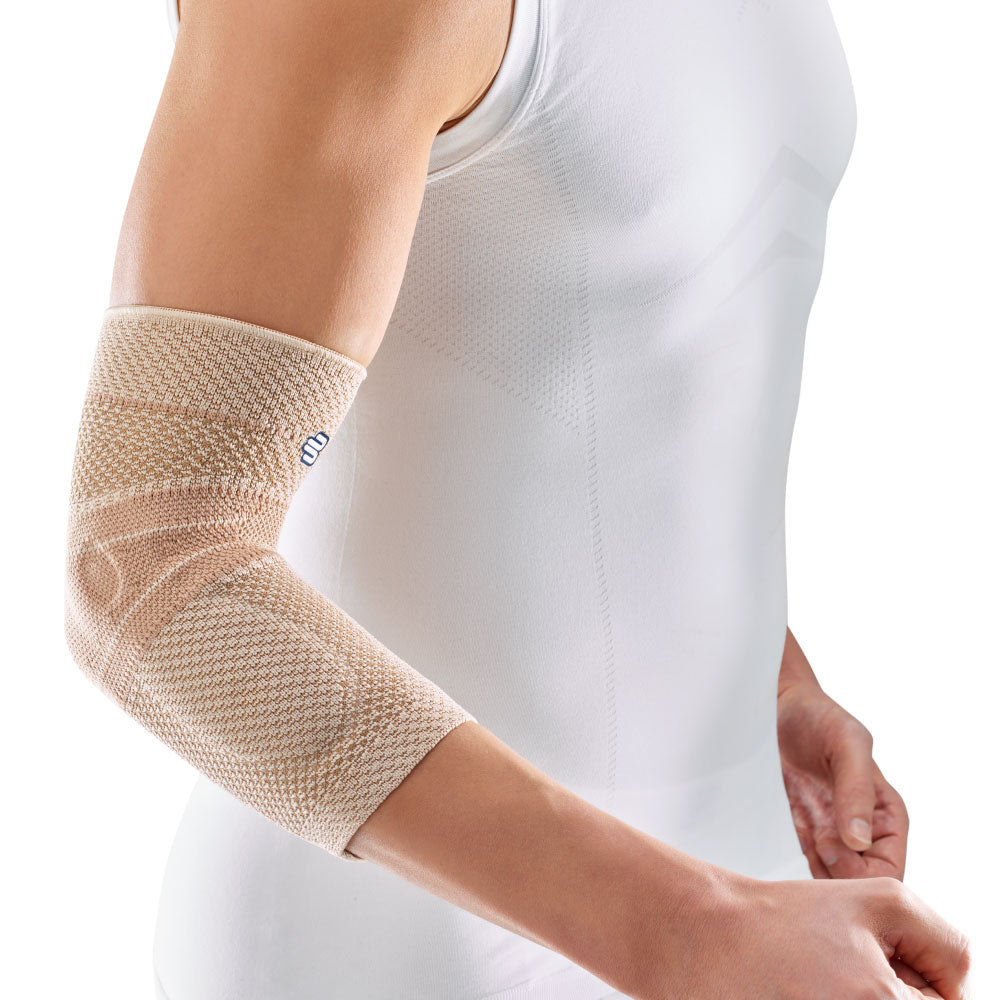
Orthosis and sports compression as a solution!
- Stop irritation: It mechanically removes pressure from the inflamed sac (bursa), allowing it to heal. View orthoses here
- Control swelling: The uniform pressure of sports compression and orthoses helps the body absorb excess fluid faster.
- Prevention in motion: By using an orthosis or compression sleeve during activity, you protect the joint from vibrations and recurrent inflammation.

*While orthoses and proper prevention can provide immense relief, this article is for informational purposes only. Self-treatment can be dangerous if an accurate diagnosis is not made.
You can sign up for an appointment with a traumatologist here: https://vc4.lv/pakalpojumi/arstnieciba/traumatologs-ortopeds