
Knee joint synovitis is one of the most common forms of synovitis – inflammation of the joint's synovial membrane that most often affects the knee specifically, though it can also occur in the wrist, ankle, or elsewhere. It comes with swelling, pain, and reduced mobility – the joint seems to "fill up" with fluid and becomes stiff. If you've recently started experiencing these sensations, here's what might be causing it and what you can do.
Possible causes
- Injury or overuse - a recent or older knee/joint injury, repetitive movements, sports activities
- Meniscus or ligament damage, causing secondary inflammation
- Osteoarthritis - joint wear that over time also causes inflammation of the synovial membrane
- Autoimmune diseases, such as rheumatoid arthritis
- Joint infection (rarer, but a more serious cause)
Solutions
- Rest and reduced load - temporarily reduce the load on the affected joint, especially during the acute phase
- Cold compresses in the first few days to reduce swelling
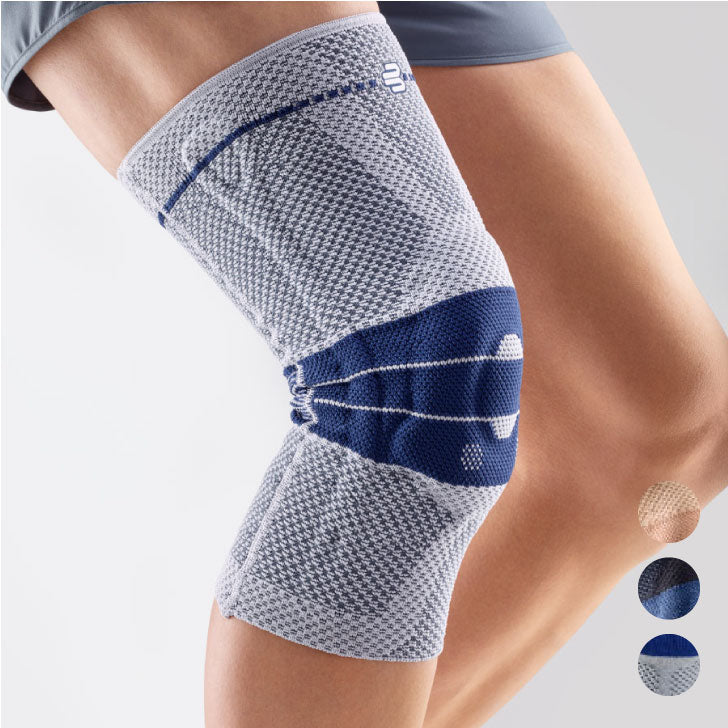
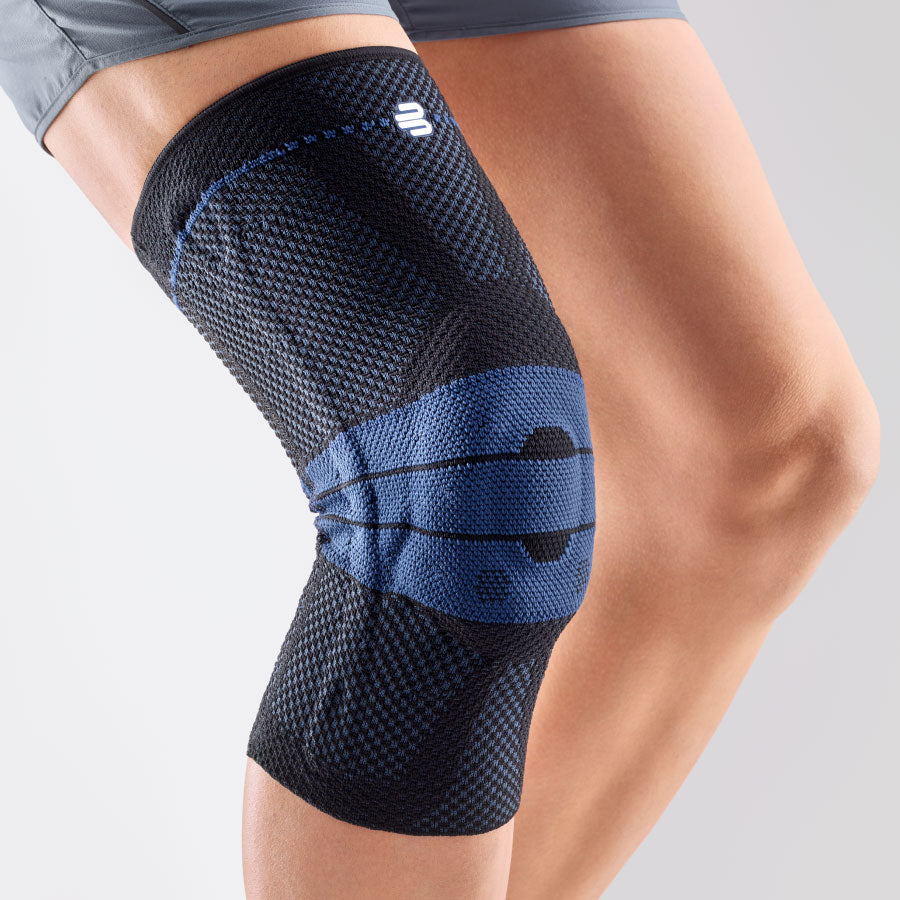
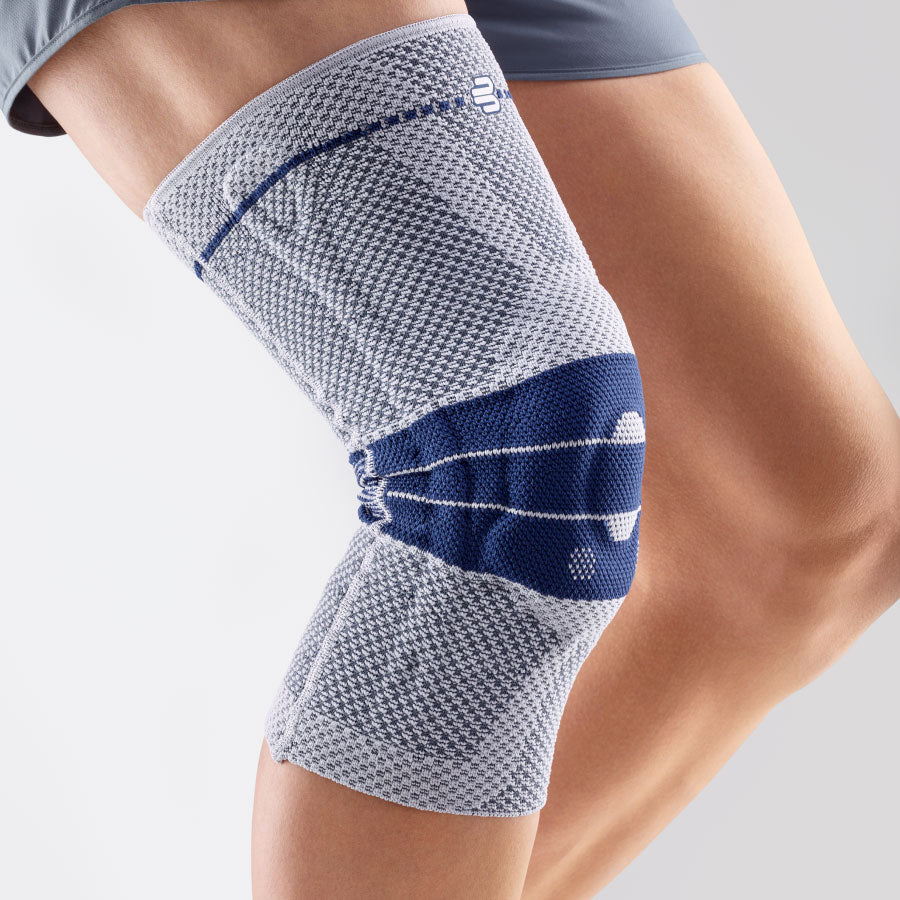
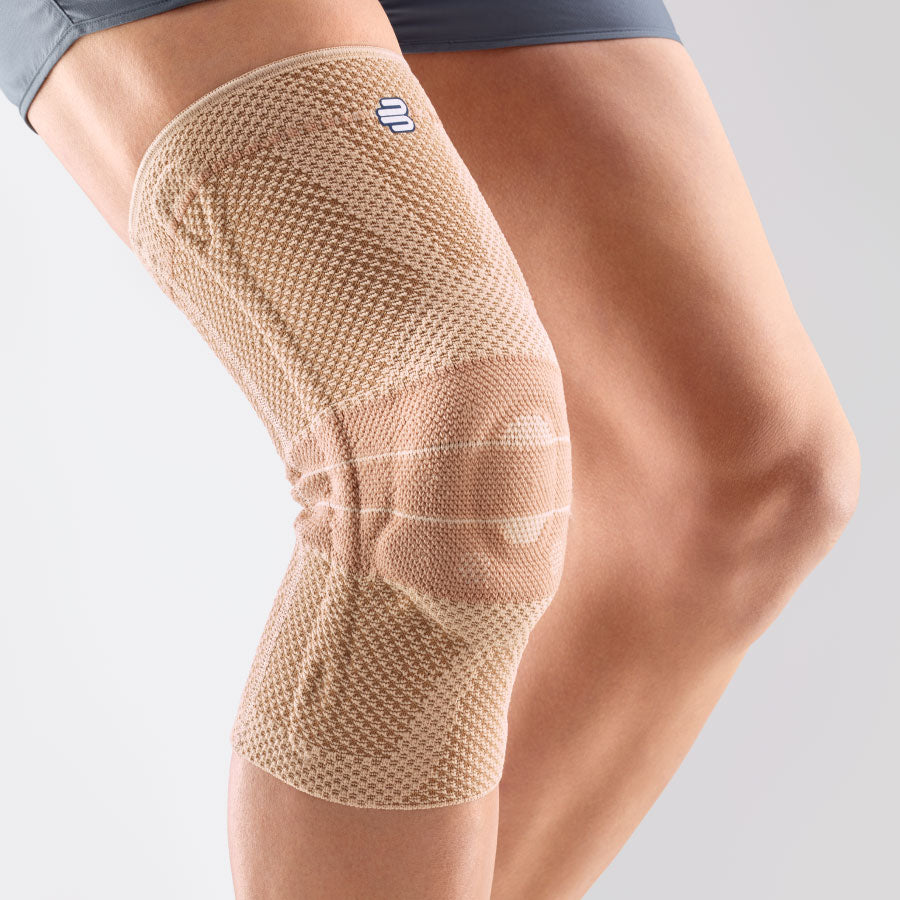
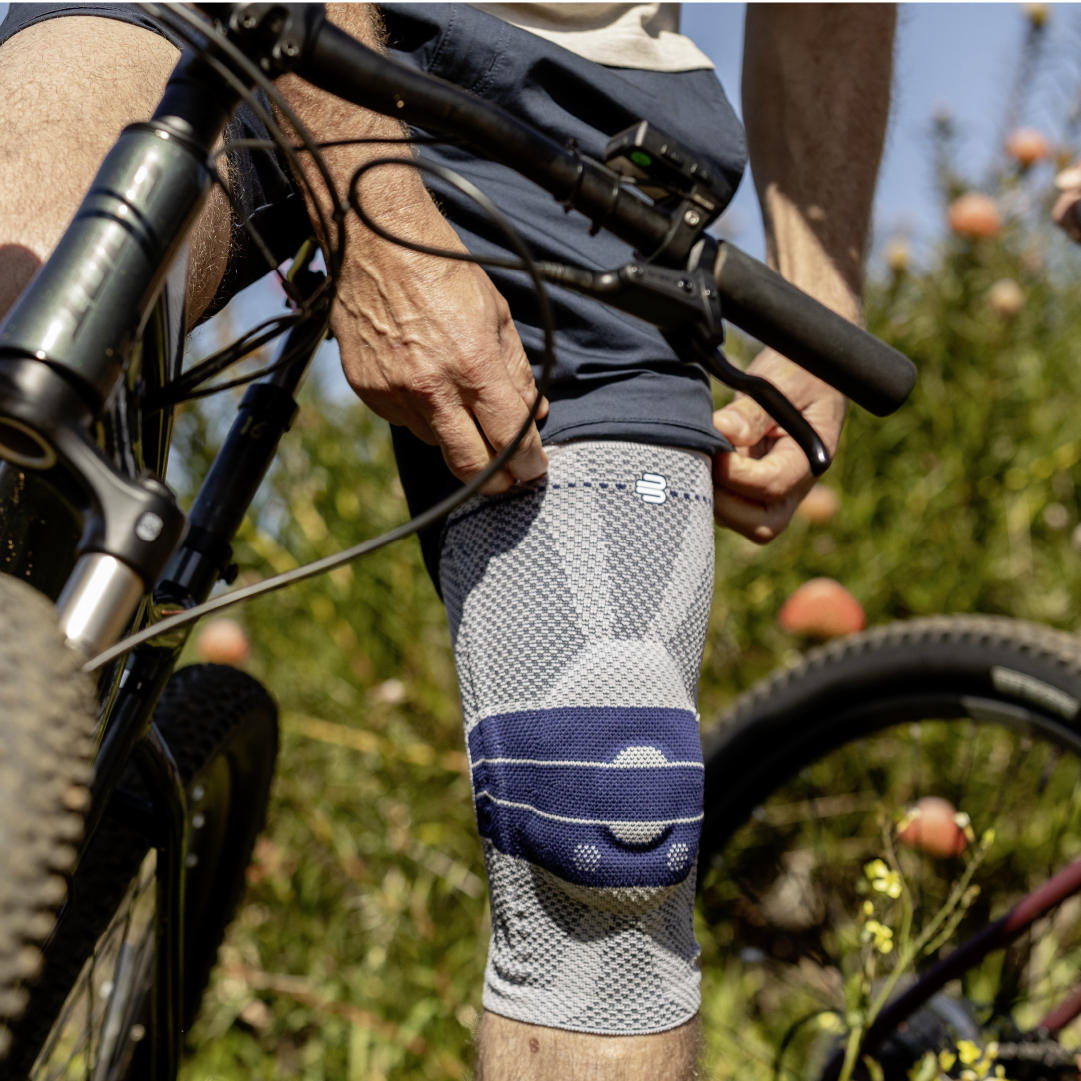
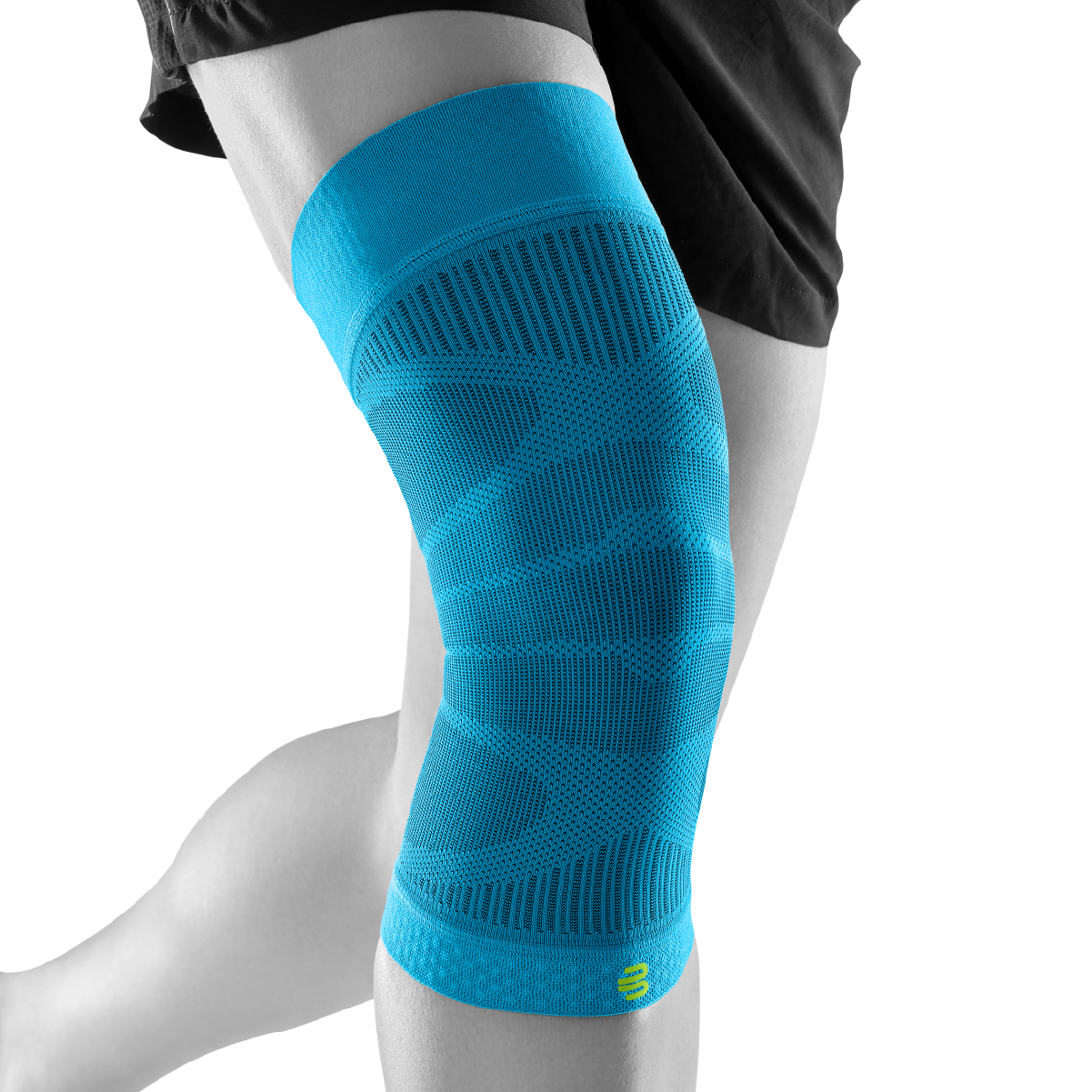
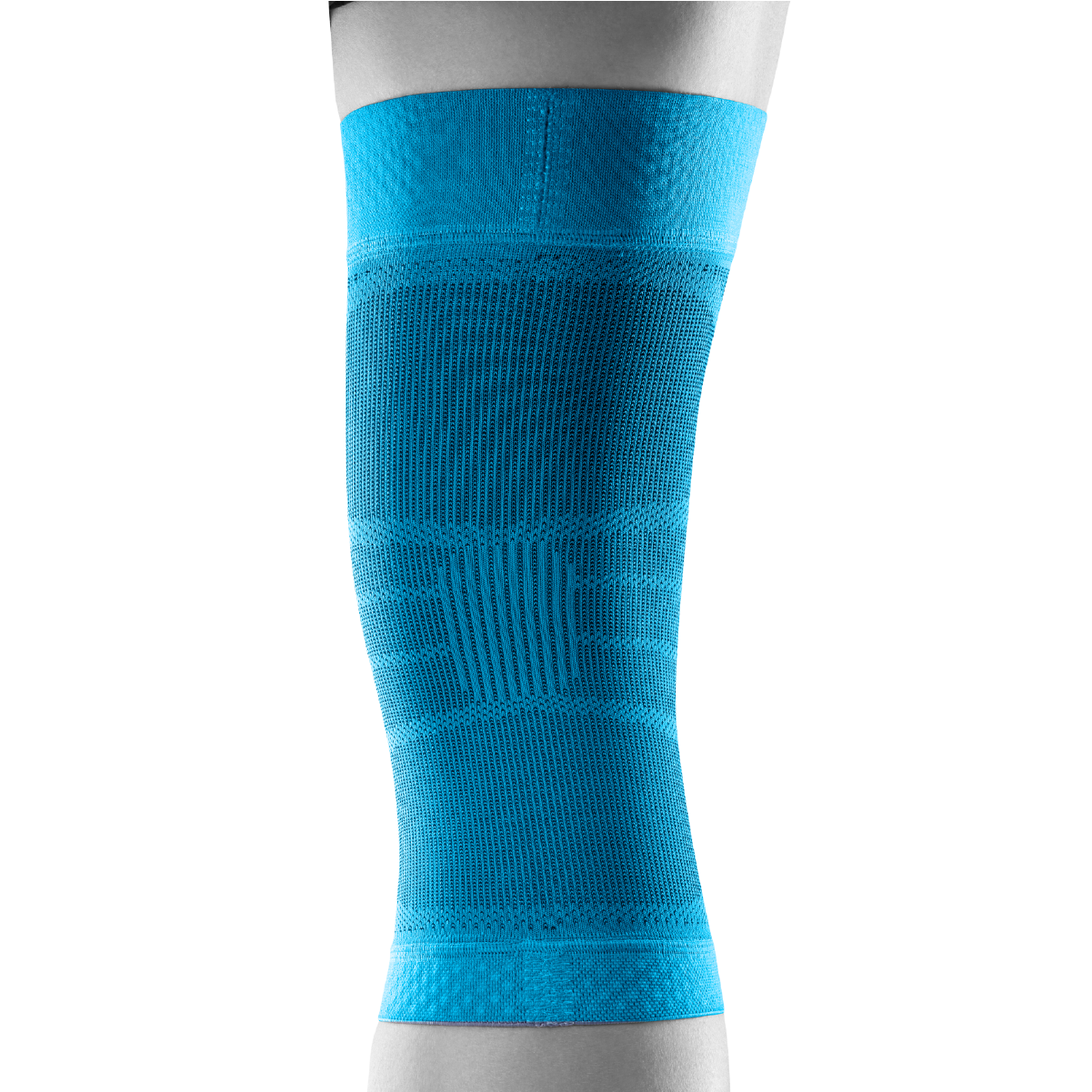
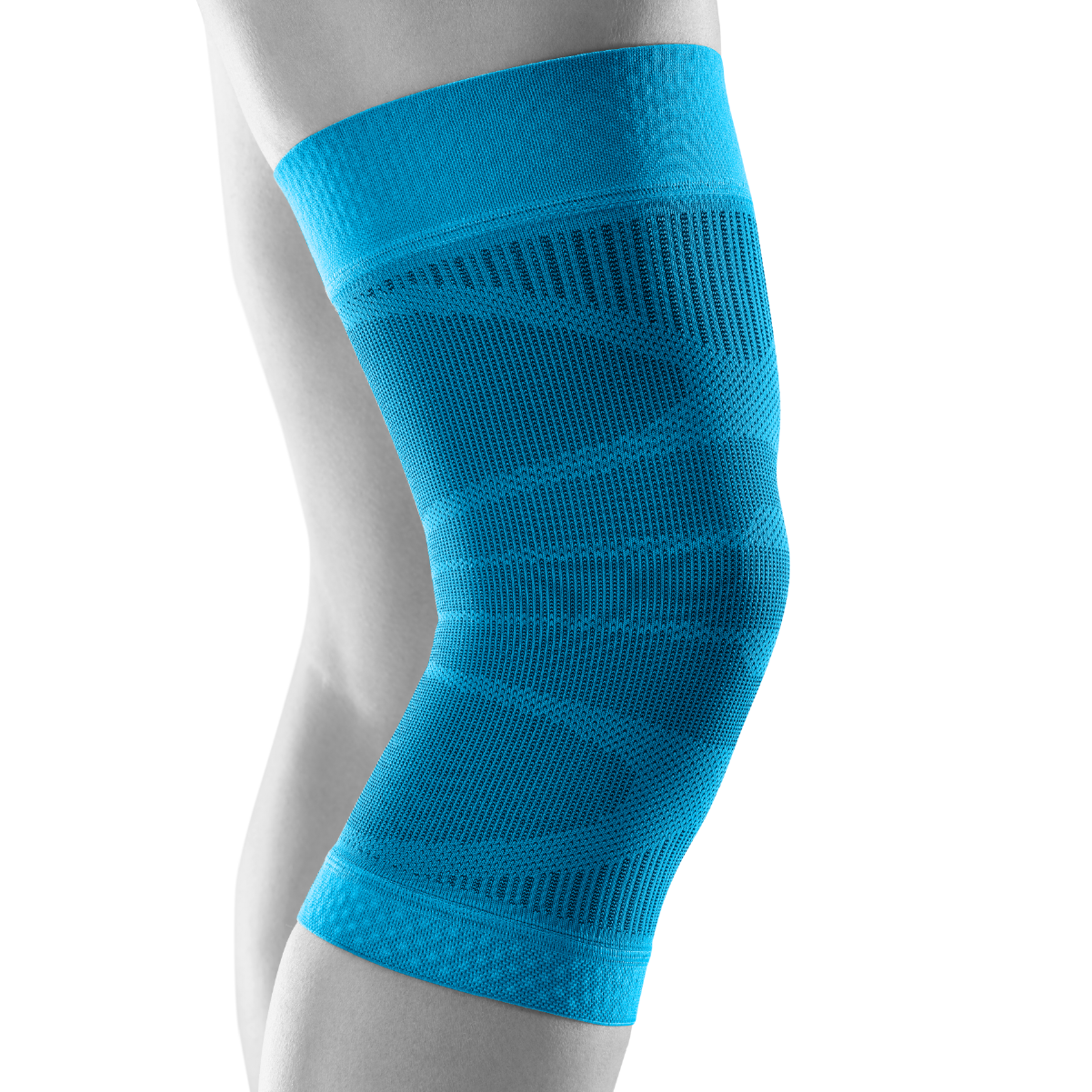
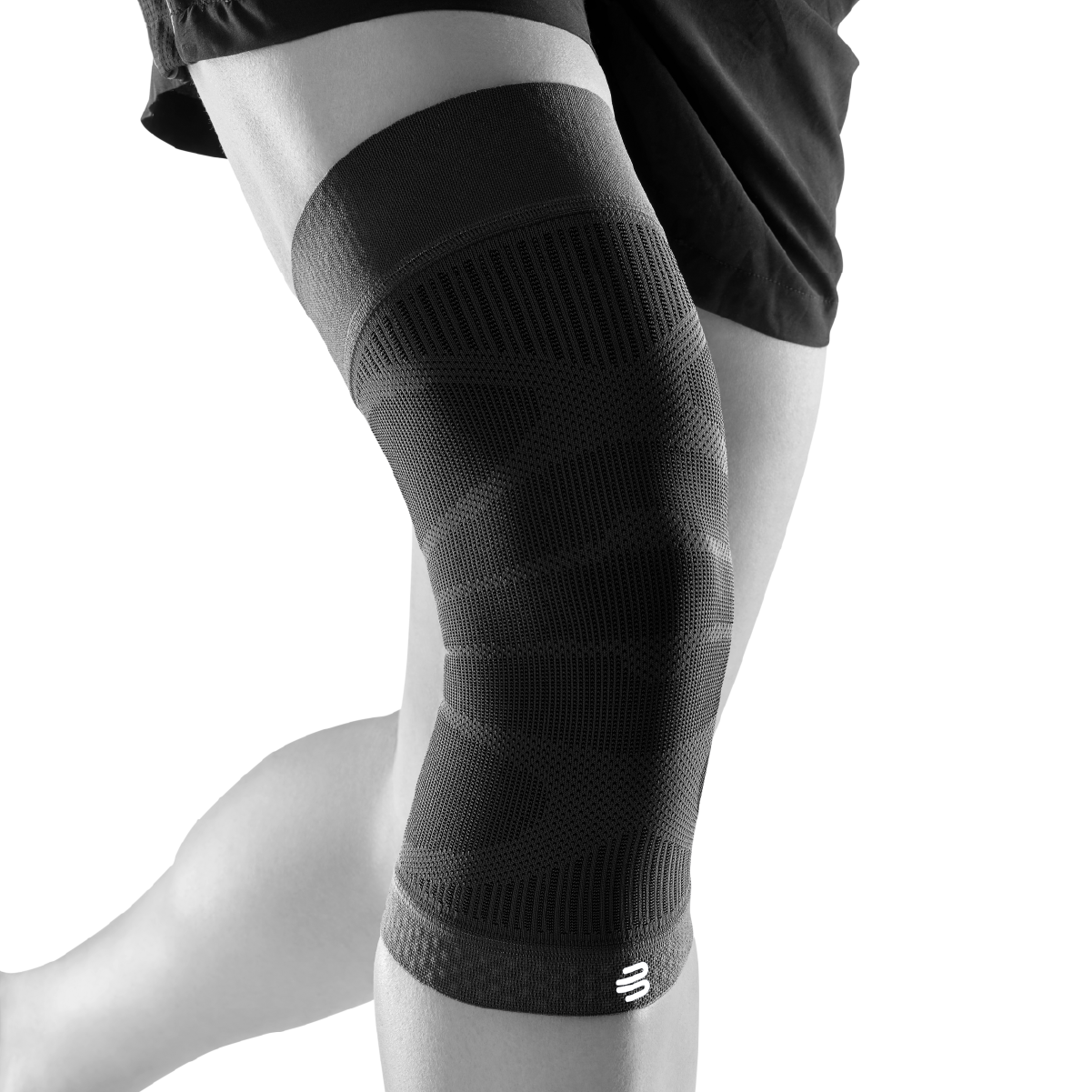
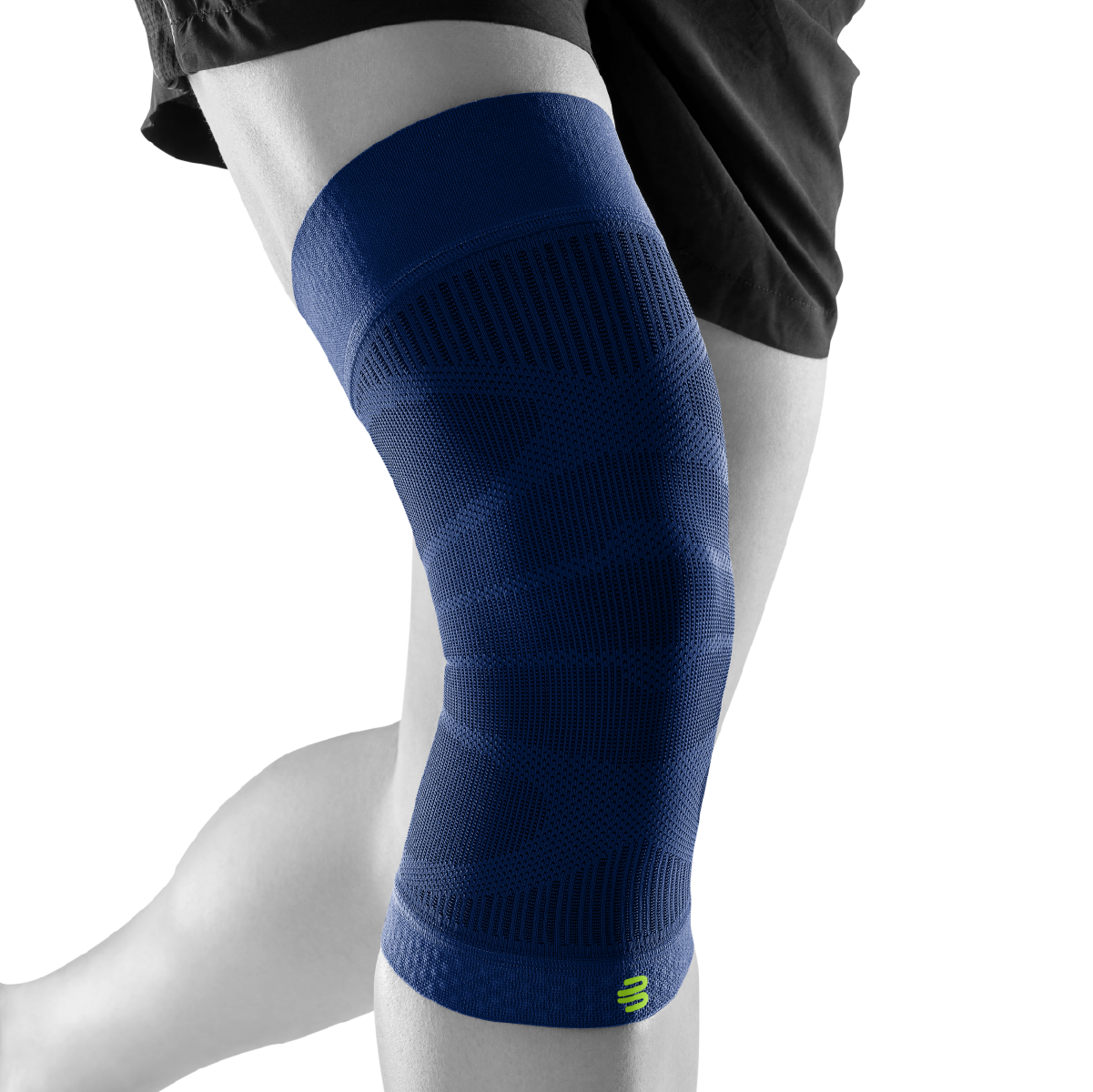
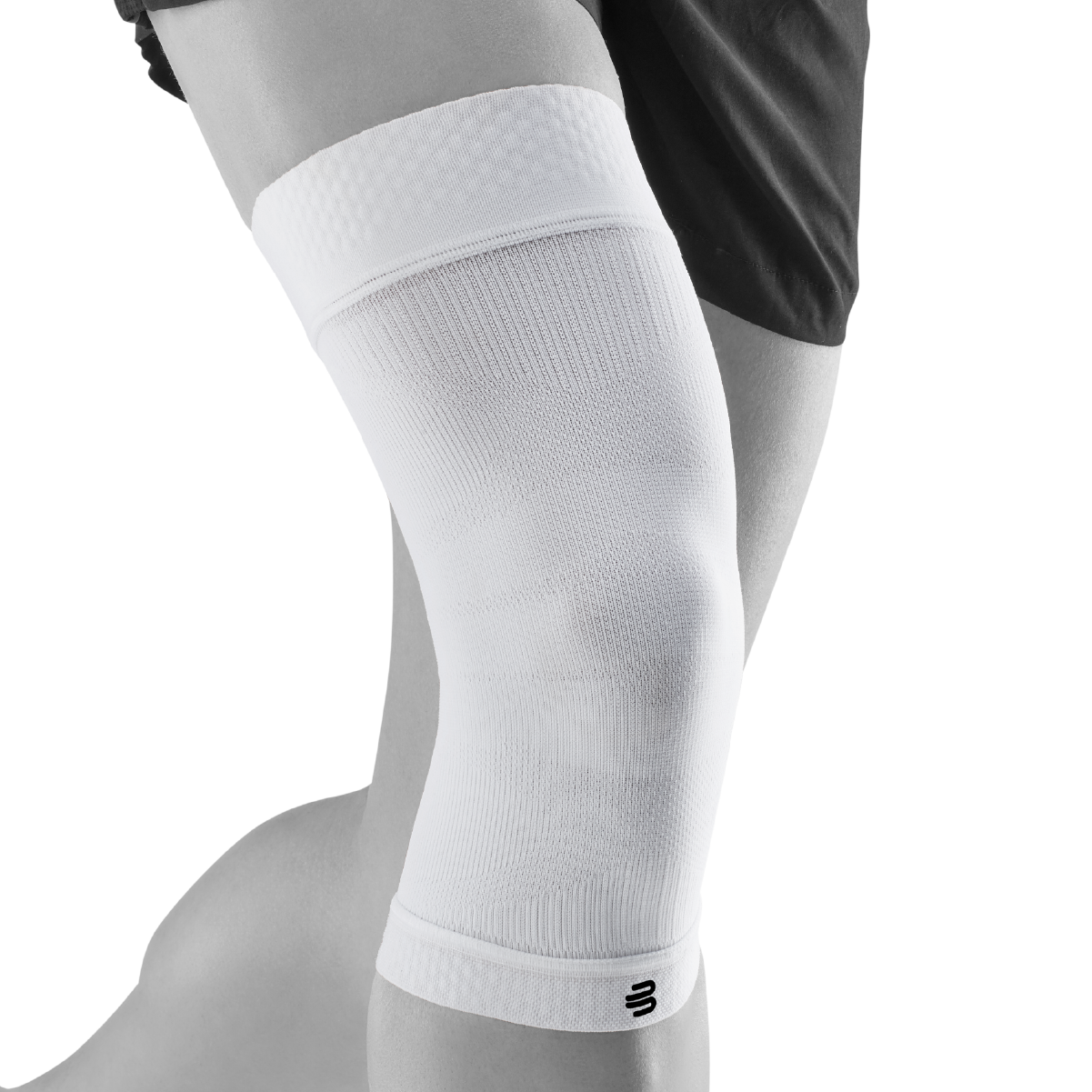
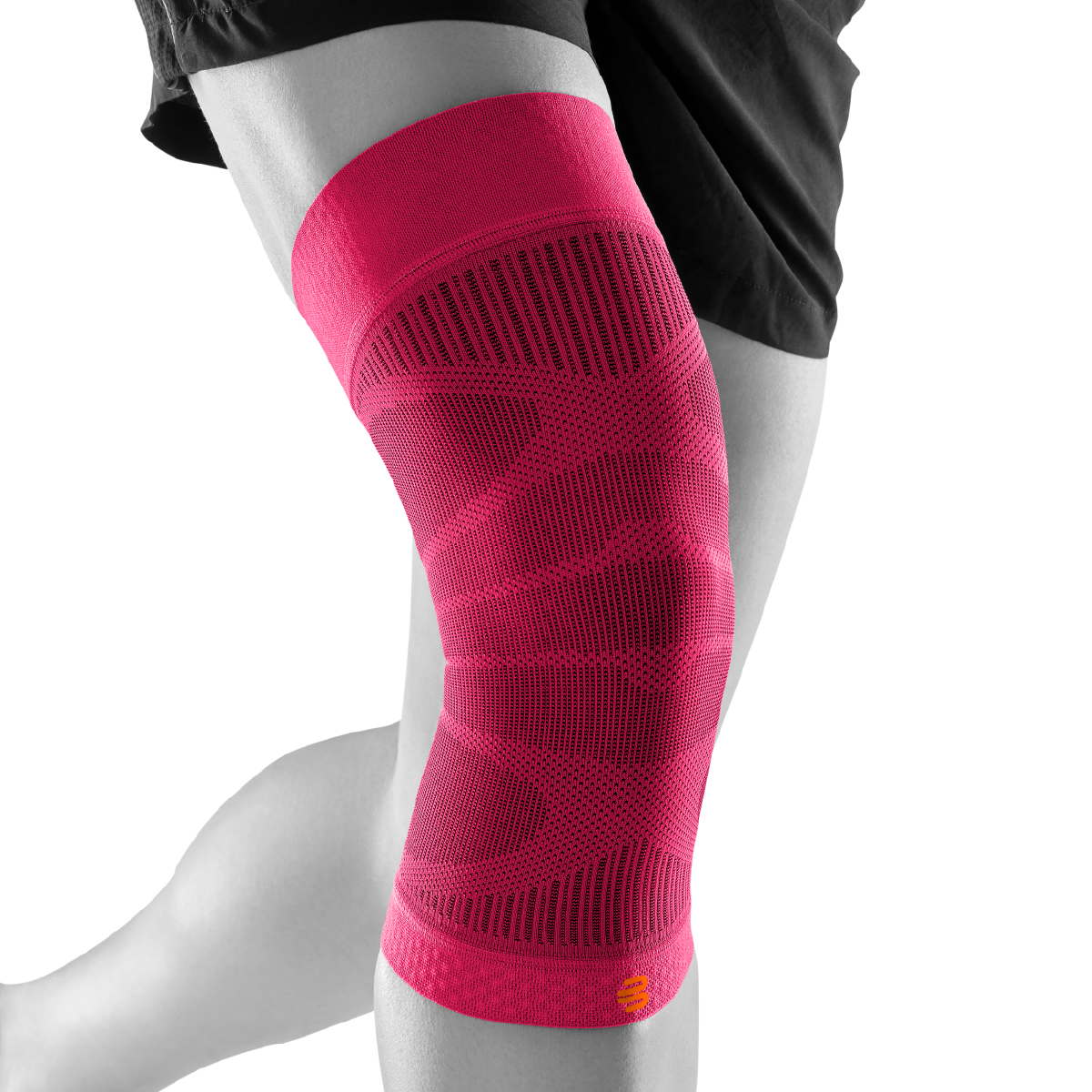
- Compression support - for example, the Bauerfeind GenuTrain knee support helps provide gentle, even pressure that supports circulation and can reduce the feeling of swelling, while stabilizing the joint during everyday movement
- Physiotherapy - gradually strengthening the muscles around the joint reduces the risk of repeated strain
- In more severe or persistent cases a doctor may recommend anti-inflammatory medication or other treatment - if the pain is severe, swelling increases rapidly, or fever appears, it's worth consulting a doctor
Prevention
- Warming up the joints before exertion - before activity, and gradually increase your training intensity
- Strengthen the surrounding muscles to take pressure off the joint itself
- If you've already had an injury or recurring pain, daily compression support can help prevent repeated inflammation during physical activity